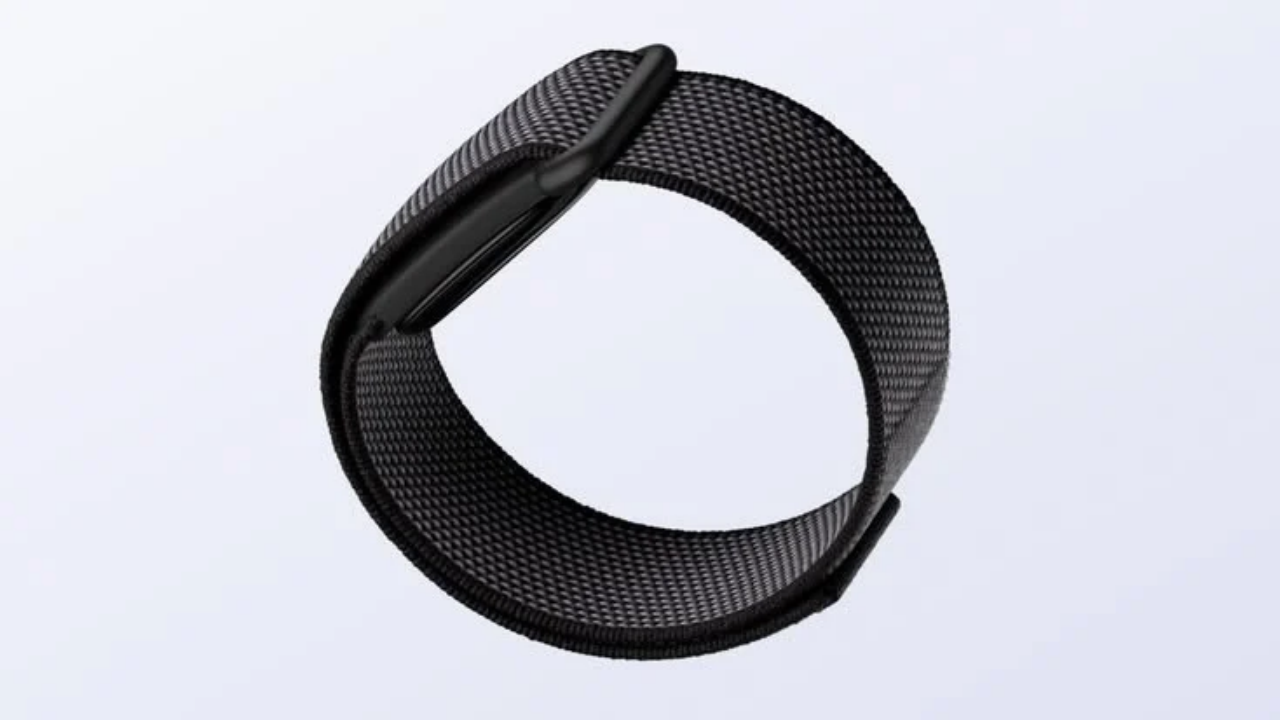
Google is rolling out Google Health version 5.11 with several significant improvements designed to make health and fitness tracking more accurate and convenient. The update introduces expanded automatic workout detection, new Health Guardian features for Fitbit Air users, improved glucose tracking tools, and refinements to sleep monitoring.
Available for iOS and gradually rolling out to Android, the release represents a notable step forward for Google’s health ecosystem. Instead of requiring users to manually record every workout or correct inaccurate sleep information, the latest version focuses on making everyday health tracking more intelligent and personalized.
According to the release notes reported by 9to5Google, compatible devices can now automatically recognize up to 100 different activities, a major increase from the previous limit of 10. The update also brings additional health insights and improved control over personal fitness data.
1. Google Expands Automatic Workout Detection to 100 Activities
One of the biggest improvements in Google Health 5.11 is its expanded automatic activity tracking. Previously, compatible Fitbit trackers and Pixel Watches could automatically recognize around 10 types of exercise. With the new update, that number increases to as many as 100 activities.
The expanded detection covers a broader range of exercises, including strength training, swimming, racket sports, team sports, and other physical activities.
This change could make fitness tracking more practical for people whose routines include different types of exercise. Users who regularly switch between gym sessions, outdoor activities, and recreational sports should have more opportunities to record their workouts without manually starting a session.
Google is also improving how its software identifies activities. Rather than relying only on basic movement patterns, the system considers additional context, including workout routines, historical activity data, and previous manual corrections.
Google says these improvements deliver nearly twice as accurate activity detection and reduce missed workouts by more than half.
Workouts Can Be Logged Automatically
The updated system can automatically record qualifying workouts when users meet the minimum duration requirement and maintain an elevated heart rate. The default minimum duration is 15 minutes, although the exact requirements may vary depending on the activity and device.
After detecting a qualifying session, Google Health typically sends a workout summary to the app within 30 minutes.
The feature also learns from user feedback. When someone confirms an automatically detected activity or edits an incorrect entry, that information can help improve future predictions.
The goal is to reduce the amount of manual work required to maintain a reliable fitness history.
2. Fitbit Air Gains Health Guardian Features
Google Health 5.11 also expands the availability of Health Guardian tools to the Fitbit Air. These features are designed to help users monitor longer-term health patterns rather than focusing exclusively on individual workouts.
However, the new Health Guardian capabilities require a Google Health Premium subscription.
Two features are included in this expansion: Blood Pressure Trends and Insulin Resistance Trends.
Blood Pressure Trends
Blood Pressure Trends are intended to help users follow changes in their blood pressure patterns over time. Instead of treating each measurement as an isolated number, the feature focuses on broader trends that may offer useful context about cardiovascular health.
According to the release information, Fitbit Air users need to wear the device for at least five consecutive days in October to qualify for the first report, which is expected at the beginning of November.
Insulin Resistance Trends
The second feature focuses on insulin resistance trends, providing information about changes in metabolic health over time.
Users must wear their compatible device for at least seven days and nights during October to qualify for the initial report.
These tools may help users identify patterns worth discussing with a healthcare professional. However, wearable-generated insights should not be treated as a medical diagnosis or a replacement for clinical testing.
The expansion also strengthens the Fitbit Air’s role as a health-monitoring device rather than simply a tracker for steps, exercise, and daily activity.
3. Google Improves Glucose Tracking and Personal Goals
Another important part of the Google Health 5.11 release concerns glucose monitoring. Google is renaming the app’s “Blood glucose” section to simply “Glucose,” while updating the associated charts and graphs.
The terminology change makes the interface more straightforward, particularly for people who regularly review glucose readings from connected continuous glucose monitors.
More importantly, users can now establish custom time-in-range goals for glucose data.
Time in range refers to the amount of time glucose levels remain within a specified target range. Personalized goals can help users monitor their progress according to the targets recommended for their circumstances.
To configure a goal, users can open the Health tab, navigate to the Metabolic section, select Glucose, open Settings, and choose Set goal.
Faster Lingo Integration
Google is also introducing direct integration with Lingo by Abbott in the United States. The connection allows glucose readings to synchronize with Google Health more quickly, with information appearing in the app within approximately 30 minutes of a reading.
Google Health Premium subscribers can also use Google Health Coach to ask questions about their glucose trends.
This integration could make it easier to bring glucose information into a broader health dashboard, reducing the need to switch between multiple applications.
However, availability depends on the supported service, region, and compatible equipment.
4. Sleep Tracking Becomes More Accurate
Sleep tracking is another area receiving attention in version 5.11. Google has improved how compatible devices identify periods when users briefly wake up during the night.
Previously, short interruptions could be difficult to distinguish from uninterrupted sleep. The updated system considers step data more effectively, helping it recognize brief awakenings, such as getting out of bed to use the bathroom.
This improvement could provide a more realistic picture of sleep patterns and help users better understand their nightly rest.
Google has also made editing naps easier. If the app records a nap that did not actually happen, users can remove the incorrect entry directly from the nap card.
The change gives users greater control over their sleep records without requiring them to navigate complicated settings or edit unrelated information.
Accurate sleep data matters because sleep duration and consistency can influence how people understand their daily energy, recovery, and activity levels. Although wearable measurements are estimates, improvements in tracking and editing can make the resulting records more useful.
5. Which Devices Support Google Health 5.11?
The availability of individual features depends on the device and subscription requirements.
The expanded automatic activity tracking is rolling out to the Fitbit Air and Google Pixel Watch 3, Pixel Watch 4, and Pixel Watch 5. The upcoming Fitbit Edge is expected to receive these capabilities when it launches on October 27, 2026.
The Fitbit Air and Fitbit Edge also support the newly announced Health Guardian features for eligible Google Health Premium subscribers.
| Feature | Availability |
|---|---|
| Automatic detection of up to 100 activities | Fitbit Air, Pixel Watch 3, 4, and 5 |
| Expanded activity tracking at launch | Fitbit Edge, October 27 |
| Blood pressure and insulin resistance trends | Fitbit Air and Edge with Google Health Premium |
| Custom glucose time-in-range goals | Compatible connected glucose monitors |
| Direct Lingo integration | United States |
| Improved sleep and nap tracking | Google Health 5.11, subject to device support |
The app update is available on iOS, while the Android rollout is continuing. Consequently, some Android users may need to wait before seeing every new feature.
6. Why This Update Matters for Google’s Health Ecosystem
Google Health 5.11 demonstrates a broader shift in wearable technology: the focus is moving beyond collecting health data toward interpreting it and reducing the effort required to maintain accurate records.
Automatic workout recognition is a particularly practical example. People often forget to start a workout manually, especially during spontaneous activities or busy days. Expanding detection to more than 100 activities could help reduce these gaps.
The improvements to glucose tracking and sleep monitoring follow the same principle. Faster data synchronization, customizable goals, more accurate wake detection, and easier editing make the information more accessible and manageable.
However, access remains an important consideration. Some advanced health insights require a paid subscription, while particular integrations depend on regional availability and compatible devices. Users should therefore check which capabilities are available to them before choosing a wearable based on these features.
It is also important to remember that automatic activity detection can still make mistakes. Similarly, trends generated by wearable devices should support, rather than replace, professional medical advice.
Conclusion
Google Health 5.11 is a substantial update that improves several parts of Google’s fitness and health-tracking experience. Its headline feature is the expansion of automatic workout detection from around 10 activities to as many as 100, supported by contextual information and a system that learns from user corrections.
The release also expands Health Guardian to Fitbit Air and Edge users with eligible subscriptions, introduces customizable glucose time-in-range goals, enables faster Lingo synchronization in the United States, and improves sleep and nap tracking.
For existing Fitbit Air and Pixel Watch users, the update offers practical reasons to revisit the Google Health app. Rather than introducing a completely new interface, Google is making existing health-tracking tools more capable and convenient.
As the rollout continues across Android and iOS, the real value of these improvements will depend on their accuracy, device compatibility, and how effectively users can turn the collected information into healthier everyday habits.